+31 6 28 32 22 35 info@exhs.nl Mon to Fri: 9.00 am - 5.30 pm
Houses
Dutch Housing Market for Expats: What You Need to Know
Cherene Kruger
5 min read
The Netherlands is consistently ranked as one of Europe’s most attractive destinations for internationals. Strong infrastructure, international companies, and English-friendly business environments make relocation appealing. However, the Dutch housing market for expats can feel overwhelming at first.
Limited supply, strict rental regulations, and competitive buying conditions mean preparation is critical. In this guide, we explain how the market works, what expats should expect, and how to approach your housing search strategically.
Why is the Dutch housing market so competitive?
Several structural factors influence the housing market in the Netherlands:
High population density in major cities
Limited new construction compared to demand
Strong international workforce presence
Strict zoning and planning regulations
In cities such as Amsterdam, Rotterdam, The Hague, and Utrecht, properties often receive multiple applications within days. This applies to both rentals and homes for sale.
Renting in the Dutch housing market as an expat
Most expats begin by renting. The private rental sector is where internationals typically search, as social housing is reserved for specific income categories and often has long waiting lists.
Key things expats should know about renting:
Landlords usually require proof of income (often multiple times the monthly rent).
Employment contracts or business documentation may be required.
Furnished properties cost more than unfurnished.
Registration at the municipality must be possible at the address.
Rental contracts may be fixed-term or indefinite.
Competition is particularly strong in Amsterdam and other Randstad cities. Acting quickly and having documentation prepared significantly improves your chances.
Buying property in the Netherlands as an expat
Expats are allowed to buy property in the Netherlands. However, the buying process differs from many other countries.
Important aspects of buying include:
Bidding above asking price is common in competitive areas.
A technical inspection is strongly recommended.\n- Mortgage eligibility depends on income type and residency status.
Transfer tax may apply depending on your situation.
A notary is mandatory for ownership transfer.
Understanding local bidding strategies and contract conditions is essential to avoid overpaying or entering risky agreements.
How does the housing market differ by city?
Amsterdam
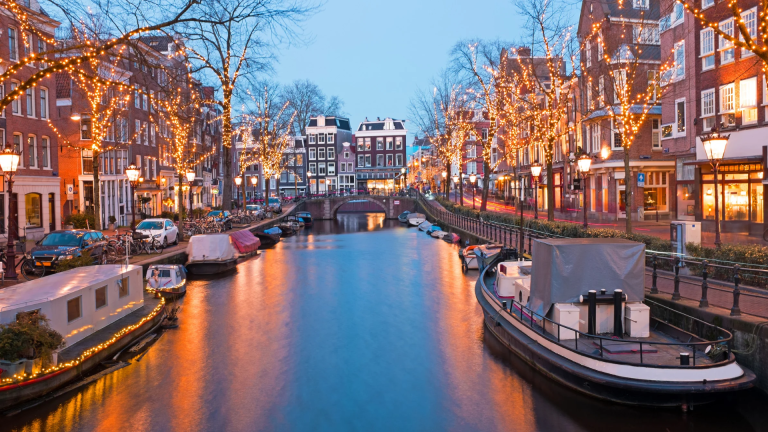
Amsterdam has the highest demand and price levels in the country. Both rental and purchase markets are highly competitive, especially in central neighbourhoods.
Rotterdam
Rotterdam offers slightly more accessible pricing compared to Amsterdam, while still providing strong international appeal and modern developments.
Utrecht and The Hague
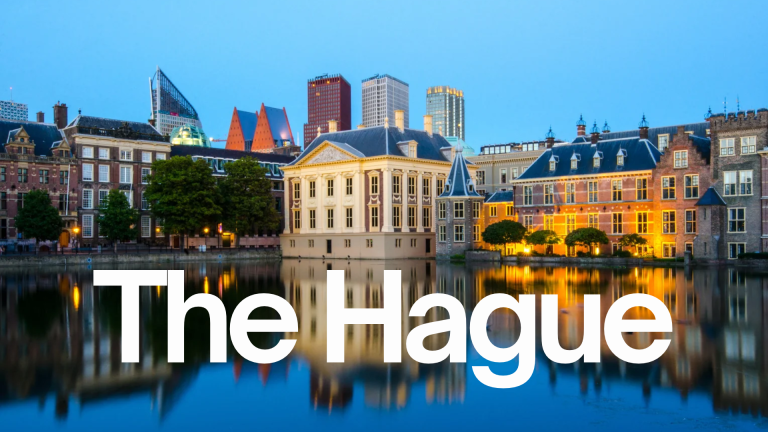
Utrecht remains popular among professionals due to its central location. The Hague attracts internationals working in diplomatic and legal sectors. Both cities have competitive rental markets.
Common challenges expats face in the Dutch housing market
Common difficulties include:
Underestimating required budget
Starting the search too late
Not preparing documentation in advance
Misunderstanding Dutch contract structures
Falling for rental scams or unclear listings
Being informed reduces risk and improves confidence during negotiations.
Final thoughts on the Dutch housing market for expats
The Dutch housing market for expats requires preparation, flexibility, and realistic expectations. Whether you plan to rent or buy, understanding market dynamics and acting strategically will significantly improve your outcome. With the right guidance, the process becomes manageable and structured rather than overwhelming.
Yes, the market is competitive, especially in major cities. However, with proper preparation and realistic budgeting, expats can successfully secure housing.
Can expats buy property in the Netherlands?
Yes, expats are legally allowed to buy property. Mortgage eligibility depends on income type, contract status, and residency.
How much income do I need to rent in the Netherlands?
Many landlords require tenants to earn several times the monthly rent. Requirements vary depending on the landlord and property type.
Why are houses so expensive in Amsterdam?
High demand, limited supply, and strong international workforce presence contribute to higher prices in Amsterdam compared to other Dutch cities.
What does your service cost?
Our fees depend on the type of service and the level of support you need. We always explain costs clearly in advance so there are no surprises. If you share a few details about your situation, we can give you a tailored indication of fees.